The PANORAMA Study
What care is offered to and accessed by people with acute pancreatitis after discharge and what are the opportunities to improve this?
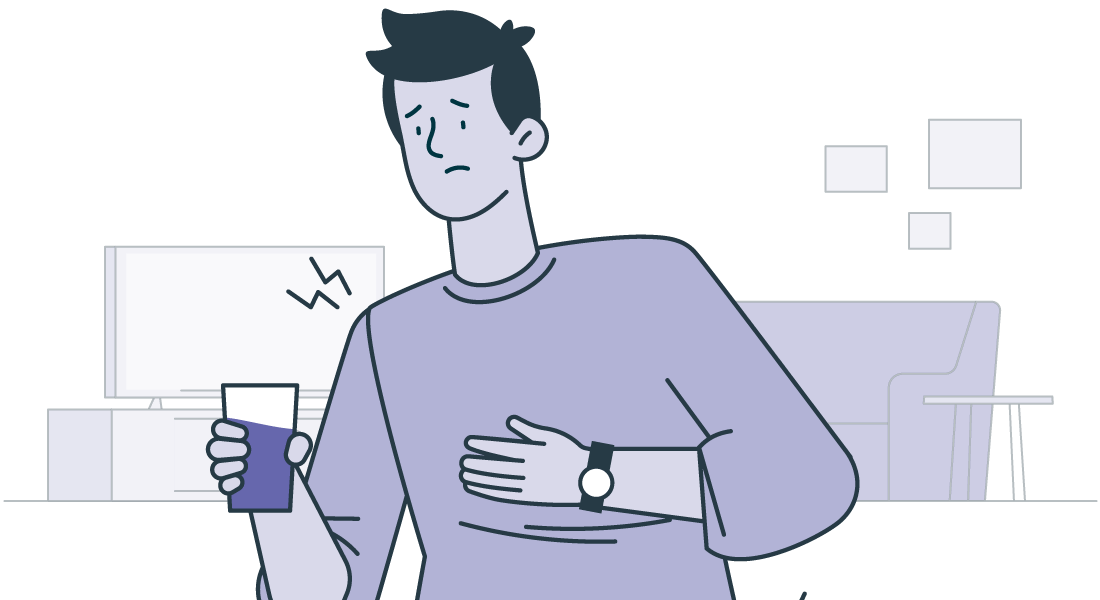
Please watch our animations
The PANORAMA study is recruiting to two Work Packages relating to post-hospital discharge following Acute Pancreatitis (AP), both looking to identify groups at highest risk of use of health care services.

Work Package 2 animation (opens pop-up window containing video)
We will interview up to 30 people who are between 3 to 6 months following discharge after an AP episode.

Work Package 4 animation (opens pop-up window containing video)
Work Package 4 is recruiting 1,017 participants who are being discharged following an AP admission.
Background
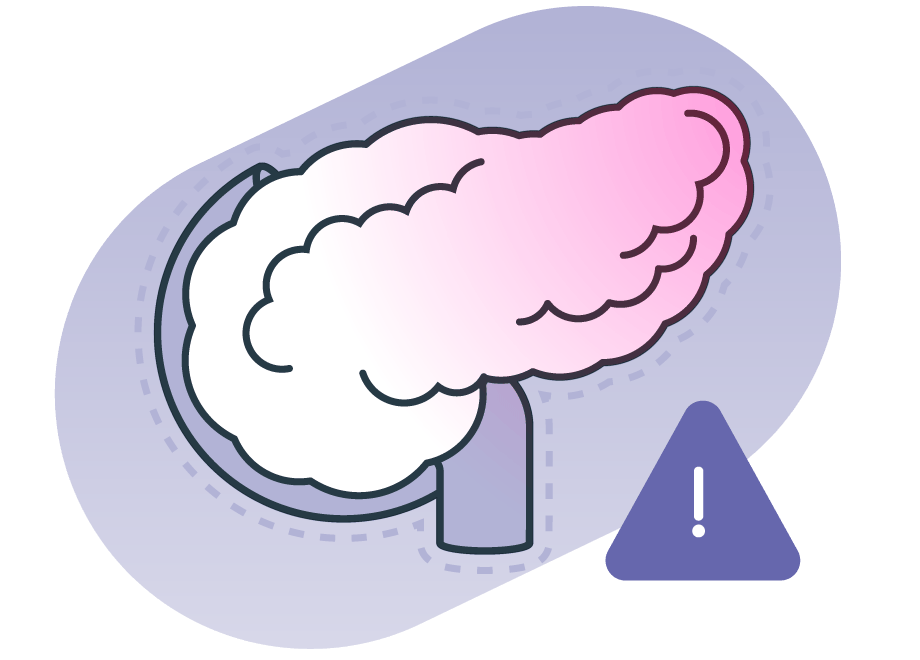
Acute pancreatitis is a common condition that brings up to 40,000 people to hospitals each year in the UK.
They can be serious and sometimes become life-threatening. Acute pancreatitis are commonly due to gallstones and excess alcohol consumption. Most patients stay in hospital for up to a few weeks and then get discharged back home. However, about 8% of patients end up returning to the hospital within 30 days of their discharge, of whom one-in-three do not require hospital care. After being discharged, some patients continue to have health issues because their pancreas struggles to digest food or manage blood sugar. Moreover, half of those affected by acute pancreatitis are at risk of developing mental health issues such as anxiety or depression. Unfortunately, there is no standard follow up for this condition and its short & long term outcomes in UK. This may increase the cost of healthcare by missing opportunities for early detection and treatment of problems.
Participant Information
If you are considering taking part in the PANORAMA study, please follow the relevant link below to open the PANORAMA Participant Information Tool (opens in a new tab). Here you can view the key information needed to decide whether to take part.

Taking Part
Find out more about taking part in the study
About the Study
Learn more about the study

Contact Us
Get in touch with the study team